
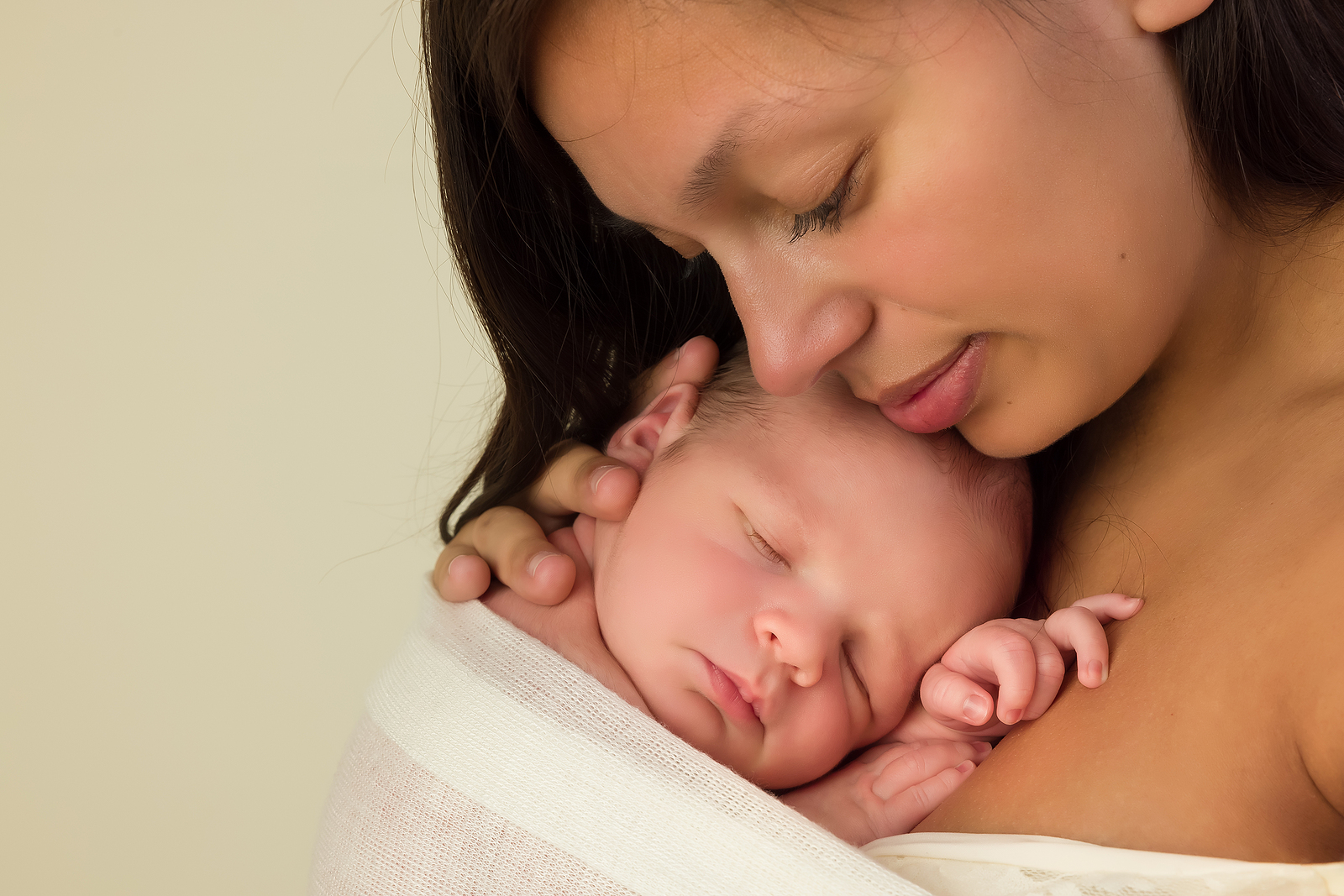
BC Healthy Connections Project

Nurse-home visiting programs starting prenatally are a promising approach to preventing the intergenerational transmission of childhood adversities, including maltreatment. The purpose of the BC Healthy Connections Project (BCHCP) trial was to evaluate the effectiveness of Nurse-Family Partnership (NFP), a nurse-home visiting program, in improving child outcomes. The BCHCP involved 739 pregnant and new mothers and their 737 children by age two years (2013-2019). Nicole Catherine, Principal Investigator, with a national investigative team, is now leading efforts to evaluate longer-term program effectiveness across childhood and adolescence.

What were the main trial findings by child age two years?

The trial scientific team has published the main trial results showing NFP’s effectiveness by age two years. These findings show NFP reduced prenatal substance exposure. NFP did not reduce child injuries (primary outcome) or subsequent maternal pregnancies, but it did improve maternal-reported child language and mental health (problem behaviour) at age two years. Promising benefits were also observed for maternal-reported intimate partner violence exposure, income and mental health. The results of the BCHCP trial also highlight the need for enhanced interventions that serve pregnant and parenting Indigenous girls and young women, particularly in urban environments.

What worked, and for whom?

Understanding which families benefit most from prevention programs can help policymakers create more targeted and cost-effective strategies to improve outcomes for children. We are leveraging BCHCP trial data to gain a more nuanced understanding of how an early prevention program, such as NFP, may work differently for individuals and priority subgroups. Results to date indicate the following:

For policymakers and practitioners, these findings underscore the need for renewed investment in screening and early prevention programs. Such investments are crucial to ensure these programs meet the needs of diverse children and families.

What are the sustained benefits across childhood?

The CHPC will be following the BCHCP children and mothers across childhood and adolescence to investigate the long-term effectiveness and cost-effectiveness of NFP on improving health and wellbeing.


Background

The Children’s Health Policy Centre (CHPC) led the trial, in collaboration with McMaster and other Universities. Between 2013 and 2016, we enrolled 739 pregnant girls and young women and their 737 children across the four participating regional Health Authorities (Fraser Health, Interior Health, Island Health and Vancouver Coastal Health). Northern Health was involved in an NFP nursing pilot and process evaluation. Many Indigenous (including First Nations, Métis or Inuit) girls and young women (200 or 27%) generously agreed to participate in this long-term trial. Many BCHCP children (237 or 32%) had an Indigenous mother or father.

The trial was conducted with rigour. The CHPC study team sustained engagement with the children and mothers for the 2.5 years of their participation—starting in pregnancy until children reached their second birthday. We conducted six research interviews with each family, either in-person or via telephone, completing more than 3,700 research interviews (>80% retention). Baseline findings showed that we reached the population that NFP was designed to benefit.

The BCHCP was funded by the BC Ministry of Health, with support from the BC Ministry of Children and Family Development. The participating regional Health Authorities funded nursing and program delivery costs. Funding was also provided by the Mowafaghian Foundation and the R & J Stern Family Foundation. Nicole Catherine is the ongoing lead Principal Investigator. For the original trial, Charlotte Waddell and Harriet MacMillan were the Nominated Co-Principal Investigators. Nicole Catherine, Susan Jack and Debbie Sheehan were also Co-Principal Investigators.

We also collaborated on two adjunctive studies: a nursing process evaluation, determining how NFP was delivered in select local health areas in BC (led by Susan Jack); and the Healthy Foundations Study, examining biological markers of NFP’s potential effect on child health (led by Andrea Gonzalez).

You can reach the BC Healthy Connections Project team by email at: chpc@nullsfu.ca

According to BC’s longstanding intentions, select regional Health Authorities are offering NFP to all eligible women — as a program embedded within other public health services. For more information on referrals to the program in the Fraser Health, Interior Health, and Island Health regions, or the public health prenatal program in Vancouver Coastal Health, please contact your family doctor, nurse practitioner or midwife, or local Health Authority.

BCHCP Publications

List of all BCHCP publications
Nurse Family Partnership

Learn more about Nurse Family Partnership

EFry Voices: Honouring mothers’ perspectives to inform system change

Young unmarried mother holding her baby and smiling at the baby.

Photo credit: Nappy Studio on Unsplash

About

The EFry Voices project aimed to recognize and value the perspectives of mothers with young children who were accessing services at the Elizabeth Fry Society of Greater Vancouver, known as EFry. EFry is a community-based, non-profit organization that supports 15,000 women, girls and children annually, providing affordable housing units, shelters, mental health treatment and parenting programs. Led by Nicole Catherine in partnership with EFry, the project research team engaged 20 mothers who offered solutions to help address barriers to accessing services.

Principal Investigator

  • Nicole L.A. Catherine (Nominated Principal Investigator)

Funders

  • Social Sciences and Humanities Research Council of Canada
  • Mowafaghian Child Health Faculty of Health Sciences Award

Project Partners

  • The Elizabeth Fry Society of Greater Vancouver

Methodology

  • This community-engaged research study centred the voices of mothers with first-hand experience of marginalization, including socioeconomic disadvantage.
  • From April to September 2022, the maternal participants generously took part in semi-structured interviews.
  • A project advisory group provided their expertise. This group comprised an Indigenous Elder and members of the Fraser Health Authority and the BC Association of Pregnancy Outreach Programs.

Key Findings

Limitations to the provision of current services exist:

  • Barriers: Lack of childcare and insufficient information and referrals to available services.
  • What helped: Providing childcare services and resource lists online and in-person. Offering mothers access to peer groups.

Programs must focus on whole health:

  • Barriers: Many mothers were not provided consistent supports for their mental health and housing needs. Some nutrition programs were inadequate and food options did not reflect cultural diversity.
  • What helped: Programs that respected cultural diversity to support overall health. Programs that provided trauma-informed care across services, with clear program plans and offered in small groups.

Clients need to feel safe(er) when using services:

  • Barriers: Some mothers felt that programs did not meet their expectations or felt that they experienced unfair treatment.
  • What helped: When staff took steps to ensure fair treatment, mothers felt safer using the services.

What This Means

  • Helping shape policies: This community partnership created important information to help improve inclusion policies for EFry and similar community groups and non-profits serving women, girls and children.
  • Listening to mothers’ voices: Mothers who face marginalization are often left out of decisions on how health and social services are designed and provided. It’s important for researchers to honour the strengths and insights of mothers with lived experience.
  • Fixing the bigger system: The study results show that making services easier to access is a system-wide issue. Big changes in how government and non-profit services work together are needed to provide better, more connected support.

Learn More

Effective home visiting programs for children and mothers experiencing adversities

Photo credit: BigStock

About

Effective early interventions — offered before problems emerge and delivered with intensity according to need — are crucial in ensuring that children do not experience the negative effects of avoidable early adversities. Early prevention programs for families experiencing adversities hold particular promise for ensuring all young people can fulfill their potential.

In this report, we identified research evidence for British Columbia (BC) policymakers on the best options for nurse-home visiting interventions with children and mothers experiencing adversity. We first used systematic review methods to identify randomized controlled trial (RCT) evaluations. We then supplemented our methods by scanning RCT-backed home visiting interventions recommended by the United States (US) Department of Health and Human Services through its Maternal, Infant and Early Childhood Home Visiting (MIECHV) program.

We found that seven programs based on a nurse-home visiting model (led by nurses, specific eligibility criteria, commencing in pregnancy, with intensive visits) led to a comprehensive array of positive outcomes for both children and mothers, including benefits that emerged across childhood and adolescence.  The six other programs included in our analysis also led to benefits.

Read the full report to learn more.

Co-Principal Investigators

  • Nicole L.A. Catherine
  • Kim Thomson
  • Charlotte Waddell

Funders

  • BC Ministry of Health

Project Partners

  • BC Provincial Health Services Authority – Child Health BC

Publications

Learn More

Mental health of transgender and nonbinary children and youth: Informing service needs

Photo credit: BigStock

About

Many transgender and nonbinary children and youth face added challenges compared with their cisgender counterparts, including more frequent adverse experiences, peer victimization and harassment. Knowing the prevalence of mental health concerns for transgender and nonbinary young people is therefore crucial. To provide the most accurate estimate, we conducted a systematic review of studies on the prevalence of mental disorders in transgender and nonbinary young people.

Our report identified the overall prevalence of mental disorders in transgender and nonbinary youth, which is 56.6%. This makes it between 5.9 and 13 times higher than their cisgender counterparts. It also identified significant rates of self harm or suicidal ideation among transgender and nonbinary youth and highlighted a need for accessible and effective mental health treatments. Finally, the report underscored the importance of addressing unacceptable adverse experiences faced by transgender and nonbinary young people.

Read the full report to learn more.

Co-Principal Investigators

  • Nicole L.A. Catherine
  • Kim Thomson
  • Charlotte Waddell

Funders

  • BC Ministry of Health

Publications

Learn More