Case conferences help public health nurses help families

As a Nurse-Family Partnership (NFP) nurse supervisor with Fraser Heath, Monica Smith* understands that participants — disadvantaged young women preparing to parent for the first time — can face some challenging life situations. And these challenges can have an impact on the nurses helping them.

That’s why Smith’s team of eight public health nurses holds a case conference every two weeks. The value? To allow nurses to provide expertise and support for each other.

“One of the nurses on my team recently said ‘this is the most worthwhile thing I’ve done because it helps me really understand my clients’,” Smith recalls.

Preparing for the case conference is a big job in itself. The public health nurse must fill out a detailed form describing the young mothers in detail and assessing their risks, goals and plans in a variety of areas.

At the conference itself, which acts like a large brainstorming session, the nurse asks for help in areas in which she — or the young participant — may be stuck or struggling. “It’s a way that really connects that nurse to the larger group of nurses,” Smith says. “It’s very empowering. These young women are not alone and these nurses are not alone.”

Smith says her team experiences an enormous amount of heartache, as a result of the challenging life conditions faced by the young moms or moms-to-be. “It’s hard to experience that sadness,” she says. “If we didn’t come together to share that, I don’t think we’d be able to continue.”

At a recent case conference, the team focused on resiliency. Smith was particularly proud of a metaphor one of the nurses articulated, comparing resiliency to a willow tree. “It’s able to stretch and bend and then come back to almost the same shape, but changed,” she says. This resiliency, in turn, enables nurses to better help the young mothers (and the children) through the BC Healthy Connections Project.

Note that NFP is available only through the BC Healthy Connections Project for the duration of recruitment. Practitioners or young pregnant women can click here for details on how to reach public health and determine eligibility for the BCHCP.

*The nurse supervisor’s name has been changed to ensure privacy.

Young moms eager to help

A cheerful young woman with a BA in psychology, Lori Esler* is a scientific interviewer who works with SFU’s Children’s Health Policy Centre on Vancouver Island.

Her job? To interview participants in the BC Healthy Connections Project, an evaluation of the Nurse-Family Partnership (NFP) program that’s taking place over the next five years.

Developed in the US but never before tested in Canada, the Nurse-family Partnership provides intensive public health nursing visits to disadvantaged young women — who are preparing to parent for the first time — starting in pregnancy.  Although eligibility criteria for the project are quite specific — participants must be disadvantaged first-time mothers 24 years or younger — Esler says the group seems very diverse. “When I first meet people they’re polite and a bit reserved,” she says. “But as the interview progresses they open up a little bit more.”

The youngest participants — those under 19 years — may be living temporarily with their parents. Others might be homeless. Many are living on very low income. Some may have suffered serious childhood adversities. “They’re all in totally different situations, which surprised me a little,” Esler says. “But people are just people and I find them so interesting.”

Although she doesn’t know which women are receiving Nurse-Family Partnership (only 50% do), Esler interviews them all. This policy helps ensure the evaluation data are not biased. And everyone she interviews, Esler says, is excited about participating.

“I had one woman say to me, ‘oh my gosh, I’ve a hard time figuring out how to get what I need. If my taking part in this study will help someone else, then I’m really glad to do it.’”

Note that NFP is available only through the BC Healthy Connections Project for the duration of recruitment. Practitioners or young pregnant women can click here for details on how to reach public health and determine eligibility for the BCHCP.
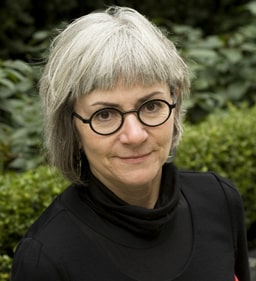
*Name has been changed to protect privacy.

Why a process evaluation?

Say the words “Nurse-Family Partnership” (or NFP) and most people will imagine a nurse visiting a mom and her family. But say the words “process evaluation” and most people will likely draw a blank.

A process evaluation, however, is a vital part of scientific studies such as the randomized controlled trial or RCT being conducted through the BC Healthy Connections Project (BCHCP).

A kind of a study of a study, a process evaluation determines how well an intervention is being implemented and what factors may be influencing the outcomes. In the case of the BCHCP, for example, the NFP intervention — home visiting by public health nurses or PHNs — is being delivered to young, low-income women who are preparing to parent for the first time.

But NFP is being delivered in very diverse communities across BC, notes Susan Jack, who is principal investigator for the study’s process evaluation, which is being funded by the Public Health Agency of Canada. “What happens when the program is delivered in smaller communities where there may be more barriers to travel and communication? And are there differences in delivering NFP between urban and rural areas in BC?” she asks. “We’re going to try to understand all these variables.”

NFP, which starts early in pregnancy and continues until children reach their second birthday, has proven successful over 35 years in the US. But this current RCT is the first scientific evaluation of the program in Canada. (NFP’s founder, David Olds, explains why an RCT is necessary.)

The primary participants in the process evaluation, however, won’t be the women and children. They’ll be the PHNs and nursing supervisors who are responsible for NFP visits. “We’ll be interviewing them every six months to explore where they are with the program, the challenges that have come up, their perceptions of the education they’ve received and any gaps that may exist,” Jack says.

The process evaluation will also study how the program is being implemented in five different Health Authorities to meet the needs of families across the province. One of its most important functions is to determine whether the program is being delivered with fidelity to the NFP model,” Jack says, mentioning the high frequency of visits that mothers are offered as an example. “If that’s not happening then we need to know why.” More broadly, the process evaluation will also help us understand BC’s unique context – including the situations faced by PHNs, their supervisors and the families they visit – and the solutions developed by the NFP teams to resolve any emergent challenges.

Another issue for the process evaluation is refining the NFP model to meet the unique needs of young, disadvantaged first-time mothers in BC. These young women are often hard to reach because they may not have stable housing, reliable work or supportive extended families – at a time in their lives when they need a lot of support. PHNs in turn may find it challenging to locate young people who may be highly mobile. Financial difficulties may also lead to some women not having easy access to phones. For example, “many families use phone cards and once the phone card runs out, they don’t have land lines,” Jack says. “Many of the young moms we work with go from family to family, and many of the nurses will struggle with trying to locate them.”

These young women may also not have had good role models to help them learn what a trusting relationship looks like or how to maintain healthy relationships. This will potentially make building a trusting relationship with their NFP PHN more challenging. This is yet another issue that the process evaluation will investigate.

Jack has high hopes for the process evaluation and high praise for the BC PHNs she has met. “The NFP nurses in BC are among the most skilled I’ve ever worked with,” she says. “We’re still refining everything and testing the tools and the procedures. But our work with the BC process evaluation will be a huge benefit for the international NFP community.”

Note that NFP is available only through the BC Healthy Connections Project (BCHCP) for the duration of recruitment. Practitioners or young pregnant women can click here for details on how to reach public health and determine eligibility for the BCHCP.
Fewer than one-third of kids with mental disorders receive treatment, director says

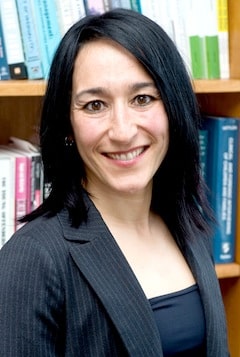
treatment of mental disordersTens of thousands of BC’s young people are experiencing mental health problems every year but fewer than a third of them actually receive treatment. That was the stark message from the Director of SFU’s Children’s Health Policy Centre to the Members of the Legislative Assembly of BC on the Select Standing Committee on Children and Youth.

“About 13 percent of kids are experiencing one or more mental disorders,” said Charlotte Waddell, who also holds the Canada Research Chair in Children’s Health Policy. “That means the total population affected is about 84,000 in BC at any given time, and about 678,000 in Canada. And we’re serving fewer than one-third of them,” she said. That translates to about 26,000 children and youth in BC and 212,000 in Canada.

Waddell presented her evidence to the committee June 11, 2014, when it was meeting in Vancouver as part of a special project examining youth mental health.  Part of the committee’s mandate is to foster greater awareness and understanding of the BC child and youth service system.

In presenting her report, Waddell emphasized that most mental health problems start well before adulthood and, in fact, many start well before adolescence.

In the very early years, autism, anxiety, disruptive behaviours and attention-deficit/hyperactivity disorder emerge. In the middle years, seven to 12, anxiety, depression and conduct disorder begin to appear. Then, in the teen years, substance use, bipolar disorder, eating disorders and schizophrenia can take hold, Waddell said.

“Unspeakable losses and unspeakable severity are what we’re talking about,” she said. “If we don’t intervene and if we don’t intervene effectively these disorders persist, and they carry on throughout adulthood.”

As a result, young people may not finish school and may not even be able to participate in the workforce. They also have increased physical health problems, and “early mortality is significantly increased in people with mental health problems,” she said. The impact on society is also very serious, with costs exceeding $50 billion annually in Canada.

A large part of the problem, Waddell said is that Canada may spend $200 billion annually on health — but little of that goes to children and youth.

“I cannot imagine anyone saying that it was acceptable to have only 30 percent of kids with cancer receiving treatment when we had a host of effective treatments,” Waddell said. “But that’s what we’re doing with mental health problems.”

Waddell concluded by making five recommendations to the committee:

  • Acknowledge that mental disorders start at the beginning of life and provide a comprehensive range of evidence-based interventions at each stage of development, starting in early childhood.
  • Triple investments in evidence-based treatment services to reduce symptoms and impairment among all children and youth with established mental disorders.
  • Make equivalent investments in evidence-based prevention programs to reduce both prevalence and the need for treatment services over time, starting with the four most common preventable disorders (anxiety, substance use, conduct and depressive disorders).
  • Evaluate all treatment services and prevention programs to ensure they are effective.
  • Invest in new data collection to monitor the prevalence of child and youth mental disorders over time.

“Investments in the mental health of young people are among the most important investments that any of us can make,” she told the committee.

A copy of Waddell’s slide show can be seen here. A copy of the report she tabled is available here.

Child and Youth Mental Disorders: Prevalence and Evidence-Based Interventions

Child and Youth Mental Disorders: Prevalence and Evidence-Based Interventions is a report that was prepared for the BC Ministry of Children and Family Development. It provides the latest research evidence on the prevalence of mental disorders in children and youth along with estimates of the number affected in BC and Canada. It also presents the latest research evidence on effective prevention and treatment interventions and makes recommendations for new public investments needed to improve child and youth mental health.

Charlotte Waddell, the lead author of the report and the Director of the Children’s Health Policy Centre, presented this evidence to BC’s Legislative Select Standing Committee on Children and Youth on June 11, 2014.

Continue reading

New Mowafaghian appointment made

Mowafaghian university research associateDr. Nicole Catherine has been appointed Mowafaghian University Research Associate with SFU’s Children’s Health Policy Centre. She is also Scientific Director for the BC Healthy Connections Project and Adjunct Professor in the Faculty of Health Sciences at SFU.

Dr. Catherine completed her BSc in pharmacology at Dundee University, Scotland, followed by an MSc in nutritional sciences at the University of Toronto. She received her PhD in educational psychology at UBC, studying the neurobiology of social support and child behaviour. Before joining the Children’s Health Policy Centre, she was a post-doctoral fellow in psychology at SFU, studying the neurobiology of adolescent development. She has more than 10 years of experience leading randomized controlled trials.

Funding for this University Research Associate position is made possible by the generous support of the Mowafaghian Foundation, which aims to better the lives of children through health and education.

Mental health day marked by event on bullying

The Children’s Health Policy Centre marked May 7 — National Child & Youth Mental Health Day — with an event on bullying featuring Debra Pepler from York University.

Held at the Wosk Centre, the half-day event attracted almost 150 academics, teachers, policy-makers and parents. Pepler spoke for roughly 45 minutes making a convincing case that social learning is just as important as academic learning and that Canadian children are socially behind children in other countries. Her talk included several videos of children in playgrounds being bullied.

Following her presentation, members of the audience contributed their observations and feedback. “Can we prevent bullying?” was the Mowafaghian annual Children’s health policy visiting speaker event.

Can we prevent bullying? Join us for a May 7/14 event

When it comes to the three Rs, Canadian children and youth are doing well. A 2013 UNICEF report shows that Canada ranks 2nd out of 28 countries in terms of educational achievement. But the story is not so rosy for the 4th R — relationships. In the same UNICEF report, Canada ranks 25th of 28 countries in the quality of the relationships children and youth have with their parents and peers.

“We really need to close the gap between our relative success in educating our children and our children’s dismal reports regarding essential relationships,” says Debra Pepler, a York University Distinguished Research Professor who will be speaking in Vancouver on May 7 as the 4th Annual Mowafaghian Child Health Policy Visiting Speaker.

“Learning about relationships is much more difficult than learning to read or work with numbers,” she says. “Every relationship is different and even the same relationship varies from day to day.”

Why are relationships so important? Research by Pepler and others has shown that the quality of children’s relationships is about more than simply “feeling good.” It shapes gene expression, brain development, behaviour, and long-term health.

In her interactive presentation, Pepler will describe the five general strategies her group has identified for promoting positive relationships in order to prevent bullying. Her group — PREVNet (Promoting Relationships and Eliminating Violence Network) — has been active since 2006 with funding from the federal government.

The event, which will take place at the Wosk Centre, 580 West Hastings Street, is free but limited to the first 160 people. Pre-registration is required.

Scientific evaluation launched October 15

The BC Healthy Connections Project (BCHCP) today officially launched Phase II of its scientific evaluation of the Nurse-Family Partnership program.

Developed by Dr. David Olds more than 30 years ago, Nurse-Family Partnership (NFP) involves nurses visiting disadvantaged young women — who are preparing to parent for the first time — in their homes, roughly twice a month. These home visits start during pregnancy and continue until children reach their second birthday.

The BCHCP is the first-ever Canadian evaluation of NFP to determine whether the program is more — or less — effective than existing services in BC. The goals of the NFP are to improve pregnancy and parenting outcomes and child health and development, while also helping mothers to become economically self-sufficient.

Until the scientific evaluation is completed NFP is available only through this project. Please see Referral Information, below.

Phase I of the BCHCP actually began more than 18 months ago when 52 public health nurses and 10 supervisors from across the province began their NFP education.

Then, starting in April 2012, these public health nurses began applying their new knowledge and skills by home-visiting more than 200 “guiding clients,” the name given to young women enrolled in the nurse education pilot. Phase I continues still, with public health nurses receiving further education and continuing to visit their guiding clients.

Today, these public health nurses are well prepared for Phase II — involving more than 1,000 mothers and children over the next five years. Using rigorous evaluation methods, half these women will be randomized to receive NFP while half will receive existing services. Child and maternal outcomes will then be compared when mothers and children “graduate” — when children reach their second birthday.

Susan Cumming, a public health nurse with more than 18 year’s experience with Interior Heath in Kamloops, BC, is keen, even though she was initially reluctant to join the BCHCP.

“When I first heard about the project I was ambiguous,” she says. “I wasn’t clear how it differed from the work I was already doing with high-needs families.” Eventually she attended an information workshop and was captivated by a video clip of NFP’s developer David Olds. “He talked about what the nurses did in the US and he quoted one of them saying something along the lines of, ‘it’s the hardest, most rewarding work I’ve ever done.’

“Something in me just tweaked,” Cumming recalls. “This has always been an area I’ve been passionate about.” Despite her vast experience as a public health nurse though, “the learning curve was straight up,” Cumming says — remembering when she first started the education pilot. “In all the years I’ve been a public health nurse, this is the most intense learning I’ve done.”

Cumming has worked with four families as part of Phase I, including 24-year-old Mary* (name has been changed to preserve privacy) who is now the mother of a six-month-old.

“We connected during the fourth month of pregnancy,” Cumming says. “She’s a great mom and a very motivated — very keen client.”

For Mary, in turn, the opportunity to receive one-on-one parenting support from a public health nurse has been “fantastic.”

Mary was recruited into Phase I at the maternity clinic in Kamloops and saw the benefits almost immediately. “It was a bit awkward at first because I’m a little shy,” she says. “But once we got talking I knew it would work out really well. She’s one of those people who’s really easy to talk to.”

Mary says that she’s had many interactions in her 11 months working with Cumming. Perhaps one of the most helpful was related to preparing for labour. “I couldn’t afford the private prenatal classes because they were $140,” she says. Although she did find one free program that was informative, it still didn’t answer all her questions. “I talked to Susan for about 45 minutes and she really helped walk me through all the steps of labour,” Mary says. “I was so much better prepared.”

In fact, Mary’s so impressed she’s encouraging her friends to consider contacting their local public health unit to see if they are eligible to participate in the BCHCP. (See Referral Information, below.)

Cumming also reports that the whole nurse education pilot experience has accelerated her own development as a public health nurse. She particularly appreciates the reflective practice —built into the NFP model — where she meets with her supervisor for one hour every week to discuss families, issues and concerns. “When I first heard about it, it seemed very unfamiliar,” she says. “Now I can honestly say I look forward to it every week because it’s very positive and empowering.”

Most of all, in working with all her guiding clients, Cumming feels that she’s making a difference. “Two of the five guiding principles of NFP are ‘follow the client’s hearts desire’ and ‘only a small change is necessary’.” This keeps her highly motivated to participate in the remainder of the BCHCP — to determine whether NFP can work for young women across BC.

The BCHCP is being funded by the BC Ministry of Health, with support from the BC Ministry of Children and Family Development and five participating BC Health Authorities. As well, funding is being provided by the Mowafaghian Foundation. Charlotte Waddell and Harriet MacMillan are the Nominated Co-Principal Investigators. Susan Jack and Debbie Sheehan are the Co-Principal Investigators. Nicole Catherine is the Scientific Director.

Referral Information

For the duration of the BCHCP recruitment, NFP is accessible only through this scientific evaluation. To be eligible to participate in the BCHCP, women must be: parenting for the first time; aged 24 years or younger; able to speak English; and less than 27 weeks gestation (ideally 10–24 weeks).

Referrals are not made directly to the study. Rather, women should be referred or should self-refer to their local public health unit where a public health nurse will screen them. The study will then be explained and eligibility to participate will be confirmed.

Scientific evaluation launched October 15

The BC Healthy Connections Project (BCHCP) today officially launched Phase II of its scientific evaluation of the Nurse-Family Partnership program.

Developed by Dr. David Olds more than 30 years ago, Nurse-Family Partnership (NFP) involves nurses visiting young, low-income, first-time mothers in their homes, roughly twice a month. These home visits start during pregnancy and continue until children reach their second birthday.

The BCHCP is the first-ever Canadian evaluation of NFP to determine whether the program is more — or less — effective than existing services in BC. The goals of the NFP are to improve pregnancy and parenting outcomes and child health and development, while also helping mothers to become economically self-sufficient.

Until the scientific evaluation is completed NFP is available only through this project. Please see Referral Information, below.

Phase I of the BCHCP actually began more than 18 months ago when 52 public health nurses and 10 supervisors from across the province began their NFP education.

Then, starting in April 2012, these public health nurses began applying their new knowledge and skills by home-visiting more than 200 “guiding clients,” the name given to young women enrolled in the nurse education pilot. Phase I continues still, with public health nurses receiving further education and continuing to visit their guiding clients.

Today, these public health nurses are well prepared for Phase II — involving more than 1,000 mothers and children over the next five years. Using rigorous evaluation methods, half these women will be randomized to receive NFP while half will receive existing services. Child and maternal outcomes will then be compared when mothers and children “graduate” — when children reach their second birthday.

Susan Cumming, a public health nurse with more than 18 year’s experience with Interior Heath in Kamloops, BC, is keen, even though she was initially reluctant to join the BCHCP.

“When I first heard about the project I was ambiguous,” she says. “I wasn’t clear how it differed from the work I was already doing with high-needs families.” Eventually she attended an information workshop and was captivated by a video clip of NFP’s developer David Olds. “He talked about what the nurses did in the US and he quoted one of them saying something along the lines of, ‘it’s the hardest, most rewarding work I’ve ever done.’

“Something in me just tweaked,” Cumming recalls. “This has always been an area I’ve been passionate about.” Despite her vast experience as a public health nurse though, “the learning curve was straight up,” Cumming says — remembering when she first started the education pilot. “In all the years I’ve been a public health nurse, this is the most intense learning I’ve done.”

Cumming has worked with four families as part of Phase I, including 24-year-old Mary* (name has been changed to preserve privacy) who is now the mother of a six-month-old.

“We connected during the fourth month of pregnancy,” Cumming says. “She’s a great mom and a very motivated — very keen client.”

For Mary, in turn, the opportunity to receive one-on-one parenting support from a public health nurse has been “fantastic.”

Mary was recruited into Phase I at the maternity clinic in Kamloops and saw the benefits almost immediately. “It was a bit awkward at first because I’m a little shy,” she says. “But once we got talking I knew it would work out really well. She’s one of those people who’s really easy to talk to.”

Mary says that she’s had many interactions in her 11 months working with Cumming. Perhaps one of the most helpful was related to preparing for labour. “I couldn’t afford the private prenatal classes because they were $140,” she says. Although she did find one free program that was informative, it still didn’t answer all her questions. “I talked to Susan for about 45 minutes and she really helped walk me through all the steps of labour,” Mary says. “I was so much better prepared.”

In fact, Mary’s so impressed she’s encouraging her friends to consider contacting their local public health unit to see if they are eligible to participate in the BCHCP. (See Referral Information, below.)

Cumming also reports that the whole nurse education pilot experience has accelerated her own development as a public health nurse. She particularly appreciates the reflective practice —built into the NFP model — where she meets with her supervisor for one hour every week to discuss families, issues and concerns. “When I first heard about it, it seemed very unfamiliar,” she says. “Now I can honestly say I look forward to it every week because it’s very positive and empowering.”

Most of all, in working with all her guiding clients, Cumming feels that she’s making a difference. “Two of the five guiding principles of NFP are ‘follow the client’s hearts desire’ and ‘only a small change is necessary’.” This keeps her highly motivated to participate in the remainder of the BCHCP — to determine whether NFP can work for young women across BC.

The BCHCP is being funded by the BC Ministry of Health, with support from the BC Ministry of Children and Family Development and five participating BC Health Authorities. As well, funding is being provided by the Mowafaghian Foundation. Charlotte Waddell and Harriet MacMillan are the Nominated Co-Principal Investigators. Susan Jack and Debbie Sheehan are the Co-Principal Investigators. Nicole Catherine is the Scientific Director.

Referral Information

For the duration of the BCHCP recruitment, NFP is accessible only through this scientific evaluation. To be eligible to participate in the BCHCP, women must be: parenting for the first time; aged 24 years or younger; able to speak English; and less than 27 weeks gestation (ideally 10–24 weeks).

Referrals are not made directly to the study. Rather, women should be referred or should self-refer to their local public health unit where a public health nurse will screen them. The study will then be explained and eligibility to participate will be confirmed. Click here for details on how to reach public health and determine eligibility for the BCHCP.